

- Name Kali Linux
- Category Security
- Developer Kali Linux
- Available on PC
- OS Windows 10 version 16215.0 or higher
- Keyboard Integrated Keyboard
- Mouse Not specified
- languages English (United States)
An In-Depth Look at Kali Linux for Windows
If you're a cybersecurity enthusiast or a professional pen-tester, the familiarity of Kali Linux's powerful toolkit is often paired with the convenience of Windows. Enter Kali Linux for Windows—a seamless bridge that brings the essence of Kali Linux right into your Windows environment. It's designed to empower users with robust security tools without the hassle of dual booting or virtualization. But does it truly live up to the hype? Let's explore this app like an old friend sharing a hidden gem.
Basic Information and Target Audience
Positioned as a security-focused Linux environment for Windows users, Kali Linux for Windows aims to provide complete access to Kali's extensive suite of tools directly within the Windows ecosystem. Developed and published by Kali Linux, the app leverages the Windows Subsystem for Linux (WSL) to deliver this experience. Its main features include easy installation of Kali tools, an integrated Linux shell, and compatibility with Windows workflows. The primary audience comprises cybersecurity professionals, researchers, and developers who need quick access to Kali's tools without leaving Windows, as well as students learning cybersecurity concepts who prefer a familiar interface.
Engaging Introduction: Bridging Worlds with a Click
Imagine being able to flick a switch and instantly summon the powerful toolkit of Kali Linux into your Windows desktop—no boot-up delays, no complex VM setups. Whether you're running a quick security audit or exploring penetration testing, Kali Linux for Windows acts like a trusted sidekick, ready to assist at a moment's notice. Its simplicity and integration make it feel like a natural extension of your Windows machine rather than an alien environment. It's like carrying a Swiss Army knife in your pocket—compact, versatile, and always within reach.
Core Functionality 1: Seamless Kali Linux Tool Integration
The primary attraction of Kali Linux for Windows is its ability to run the extensive collection of Kali tools directly within Windows through WSL. Installing and updating tools is streamlined, often just a matter of running apt commands—think of it as having Kali's toolbox at your fingertips, ready to open with a simple keystroke. This integration means you don't need dedicated Linux machines or cumbersome VMs; instead, you have a lightweight, quick-launch environment embedded inside your Windows system. This feature transforms a standard Windows setup into a versatile security platform effortlessly.
Core Functionality 2: User-Friendly Interface and Operation
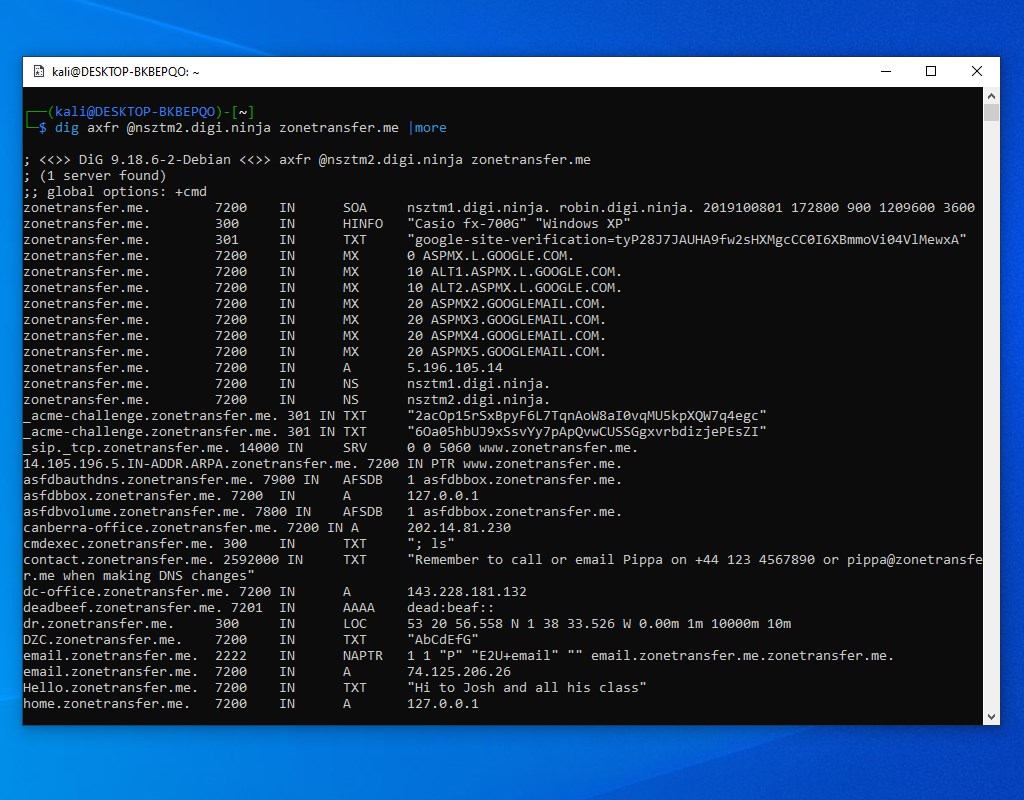
The app provides a familiar command-line interface that closely resembles traditional Kali Linux environments, making it approachable even for newcomers. The interface design is minimalistic but functional, emphasizing practicality over aesthetics. Operation feels smooth and responsive, thanks to the efficient WSL framework—run commands swiftly, browse directories, and launch tools without noticeable lag. The learning curve remains relatively gentle for users familiar with Linux shells or cybersecurity tools, although complete beginners may need some guidance on basic Linux commands. Overall, the experience is akin to a well-tuned Swiss watch: precise and reliable.
Unique Selling Points and Differentiation
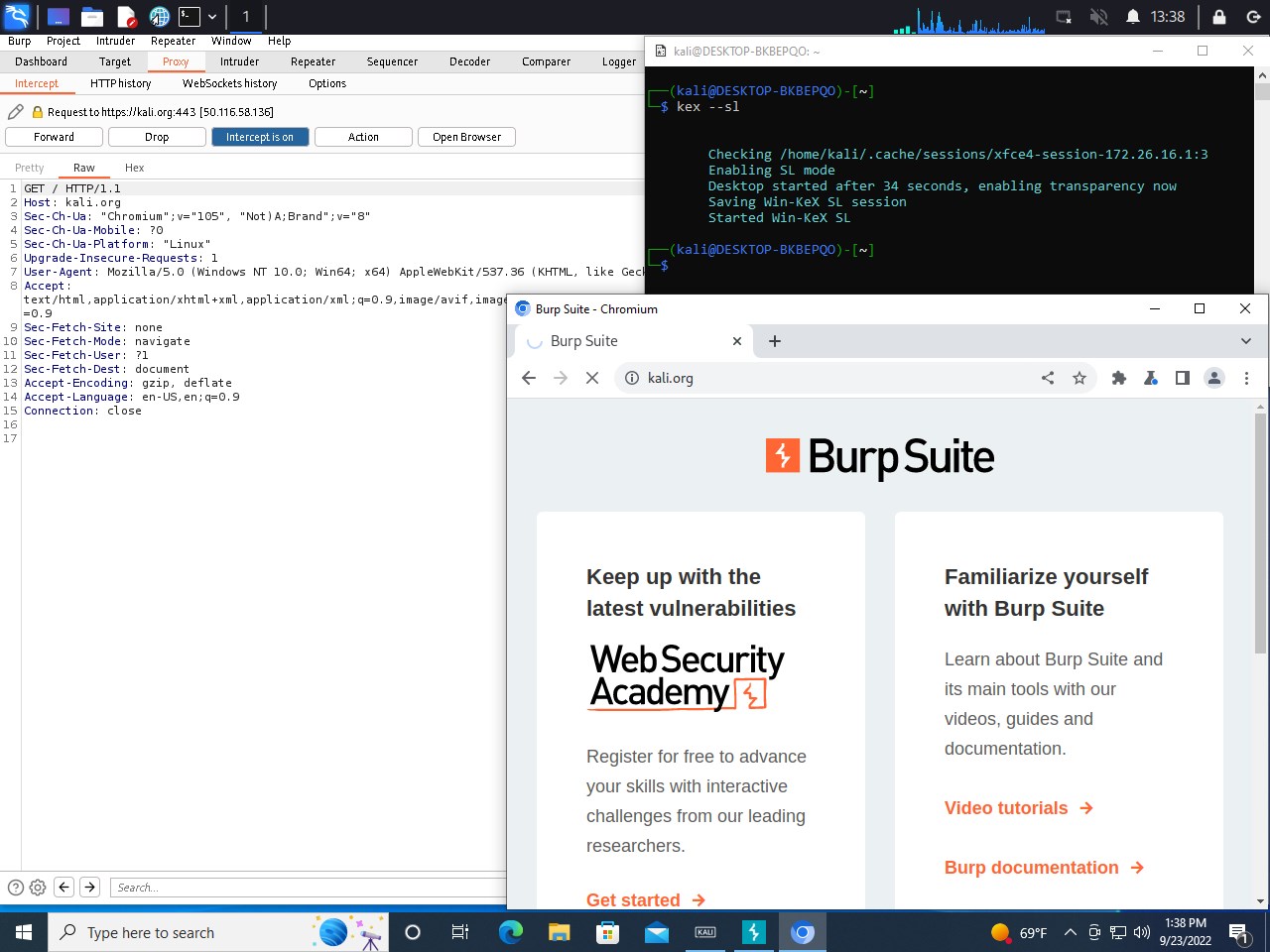
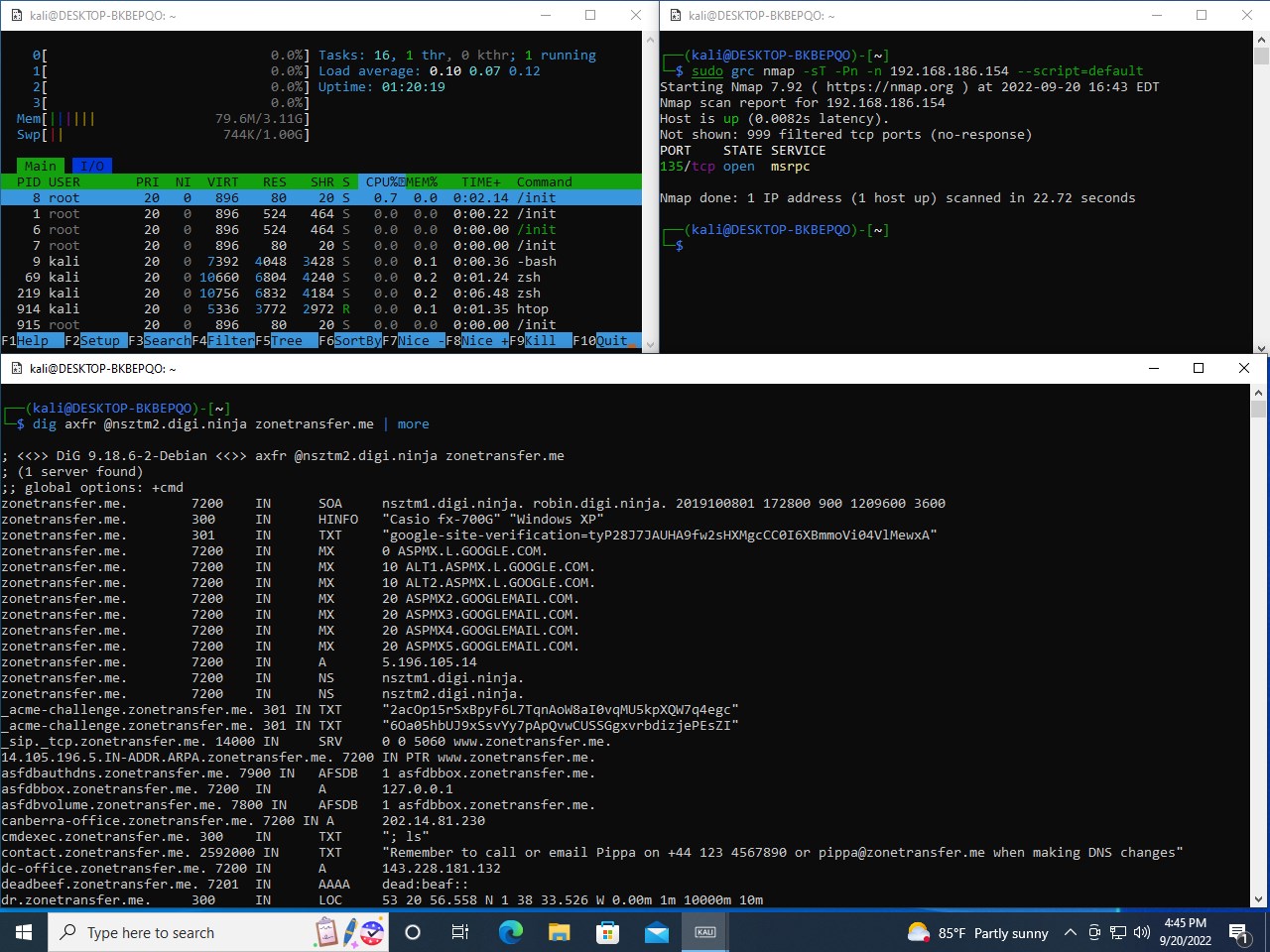
Compared to other security applications or even virtualization-based setups, Kali Linux for Windows stands out for its lightweight footprint and ease of access. Unlike traditional VMs or dual-boot configurations that consume significant resources and require setup time, this app offers instant access with minimal overhead. Its tight integration with Windows workflows allows for more flexible and efficient workflows—think of it as having a secret agent's gadget that slips effortlessly into daily operations. The ability to run Kali tools alongside regular Windows software helps users multitask seamlessly, blending security testing with everyday tasks without interruption.
Final Recommendation and Usage Tips
Given its robust functionality and convenience, Kali Linux for Windows is highly recommended for cybersecurity practitioners, students, or hobbyists who want quick, straightforward access to Kali's arsenal. It's especially suitable for those who prefer a lightweight, integrated environment over more complex virtual machines. To maximize its benefits, ensure WSL is properly installed and updated; also, familiarize yourself with basic Linux commands to navigate the environment efficiently. While it might not replace full Kali Linux installations for advanced tasks requiring GUI or hardware support, it's an excellent starter and supplementary tool for daily security work.
In essence, Kali Linux for Windows acts like a well-tuned sports car—fast, efficient, and ready to perform whenever needed. Its standout ability to bring Kali's powerful tools into your Windows desktop with minimal fuss makes it a distinctive tool worth keeping in your cybersecurity toolkit.
Pros
- Robust Linux environment support
- User-friendly interface integration
- Well-maintained developer support
- Snapshot and backup options
- Wide hardware compatibility
Cons
- Initial setup complexity
- Limited GUI support
- Resource intensive
- Potential network issues
- Occasional compatibility bugs