
- Name Universe Sandbox
- Category Educational
- Developer Giant Army
- Available on PC
- OS Windows 10 version 17763.0 or higher
- Keyboard Integrated Keyboard
- Mouse Integrated Mouse
- DirectX DirectX 12 API, Hardware Feature Level 12
- Memory 4 GB
- languages English (United States)
Unveiling the Cosmos: An In-Depth Review of Universe Sandbox for Windows
Imagine having a miniature universe at your fingertips—where you can observe, manipulate, and understand the grand mechanics of celestial bodies. Universe Sandbox for Windows offers exactly that, blending scientific authenticity with interactive fun. Developed by Giant Army, this simulation provides an immersive space experience that appeals to enthusiasts, students, and curious minds alike.
About the App: The Digital Stargazer's Toolkit
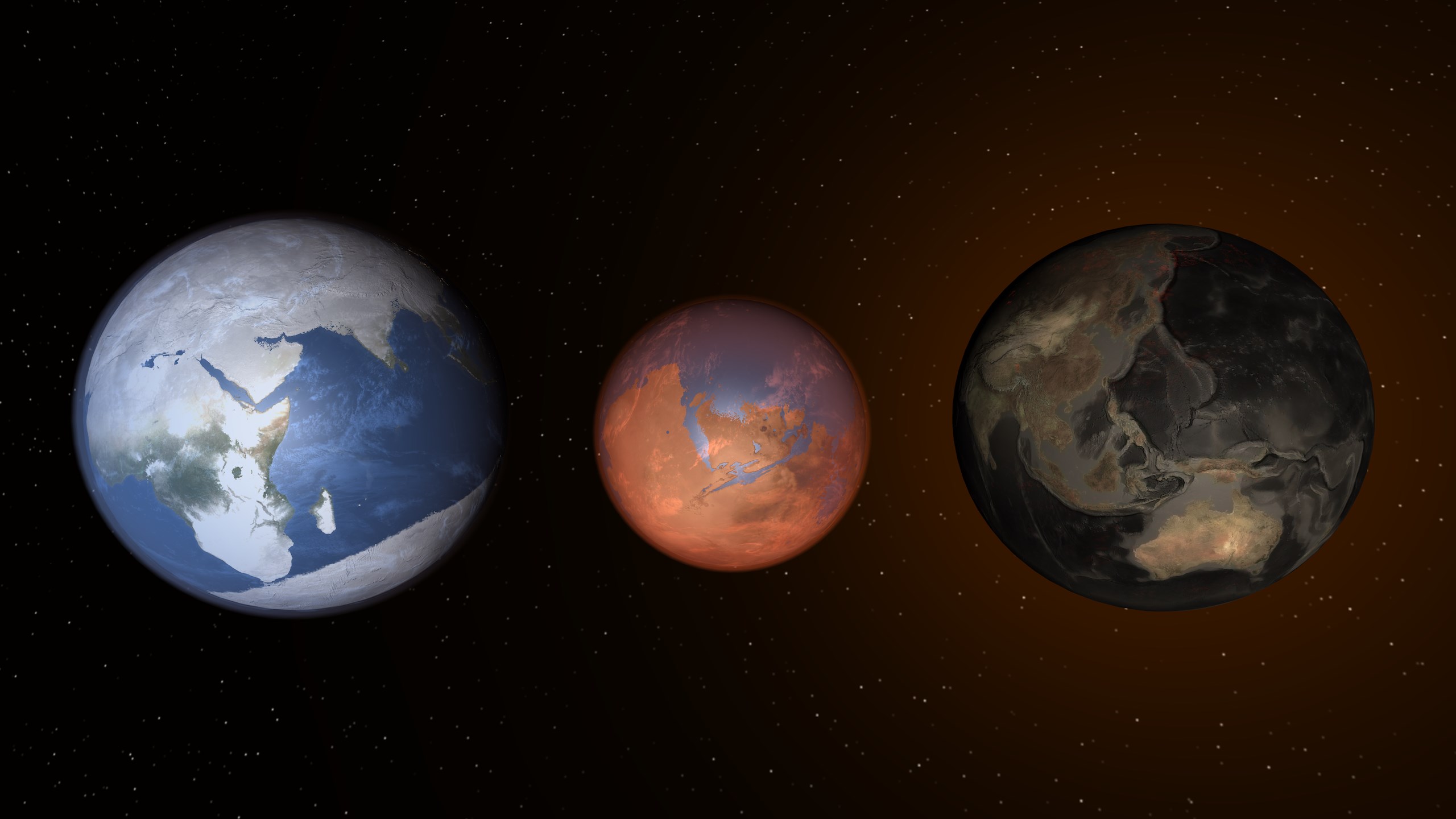
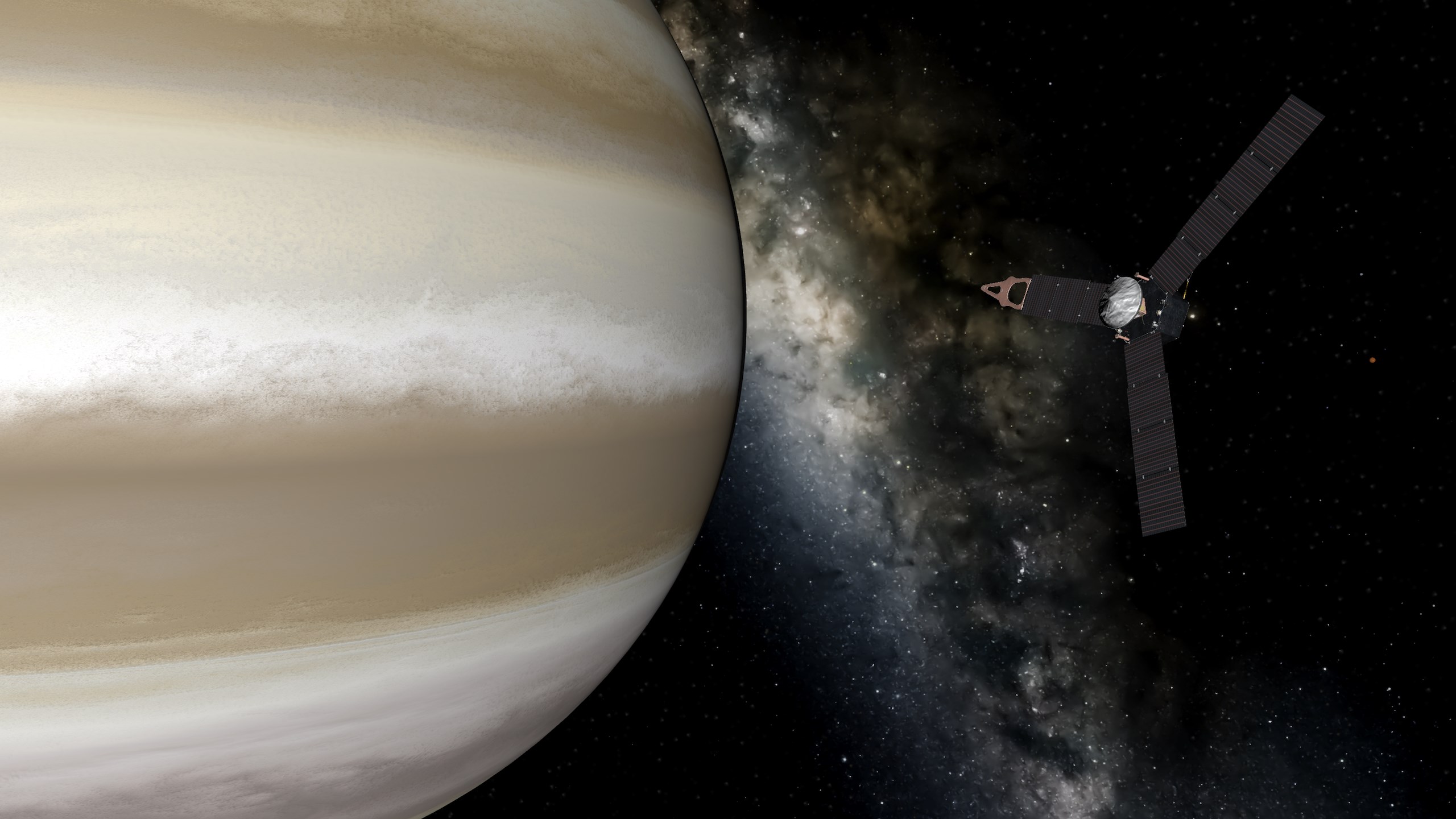
Universe Sandbox is a physics-based space simulator designed to visualize and experiment with various cosmic phenomena. Whether you're exploring planet formations, cosmic collisions, or orbital mechanics, the app delivers a realistic yet captivating experience.
- Developer: Giant Army
- Publisher: Giant Army
- Main Features: Realistic gravity simulation, customizable celestial bodies, dynamic event creation, and educational storytelling tools.
- Target Audience: space enthusiasts, educators, students, and anyone fascinated by the universe's workings.
A Fun and Fascinating Journey Through Space
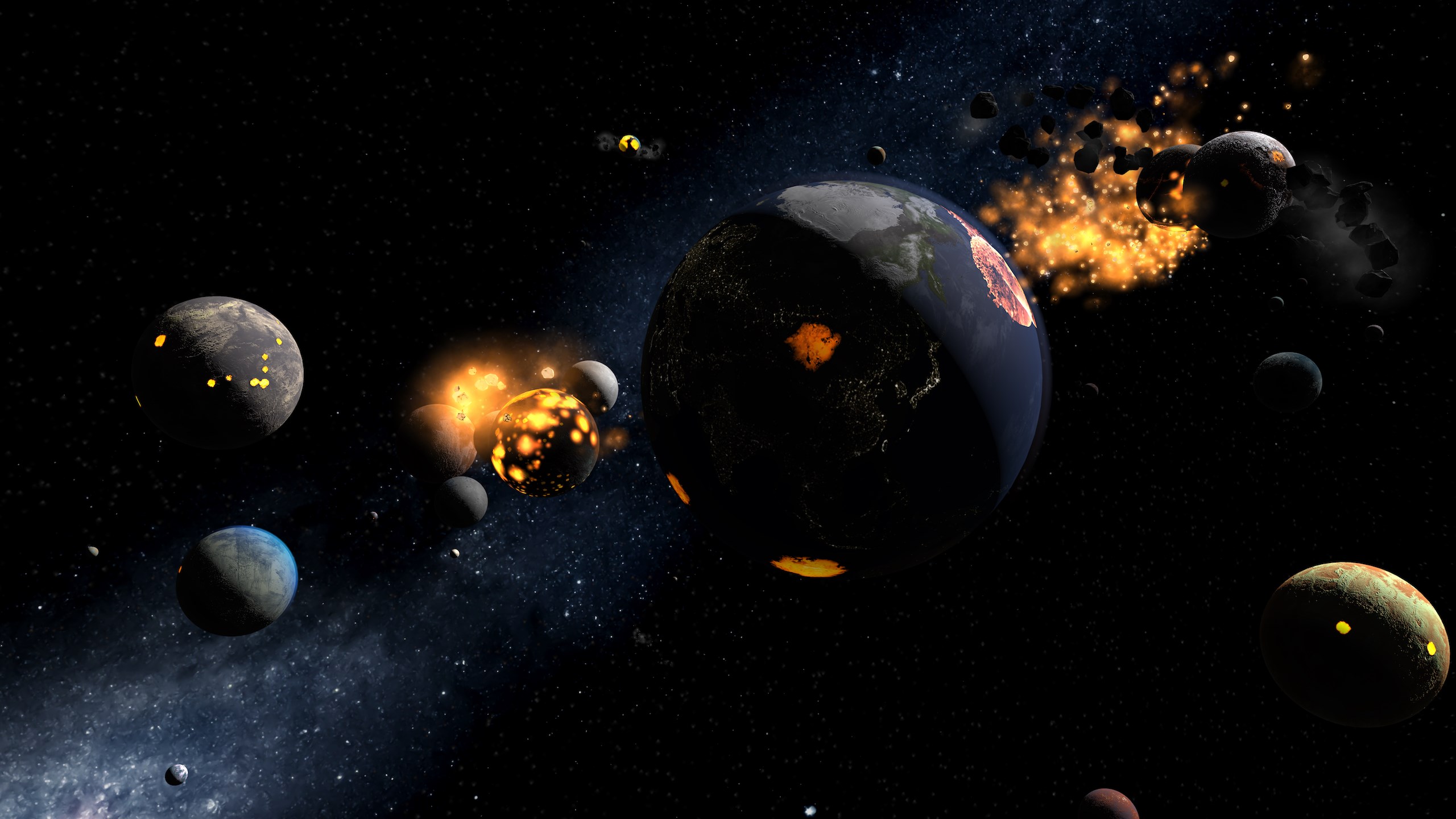
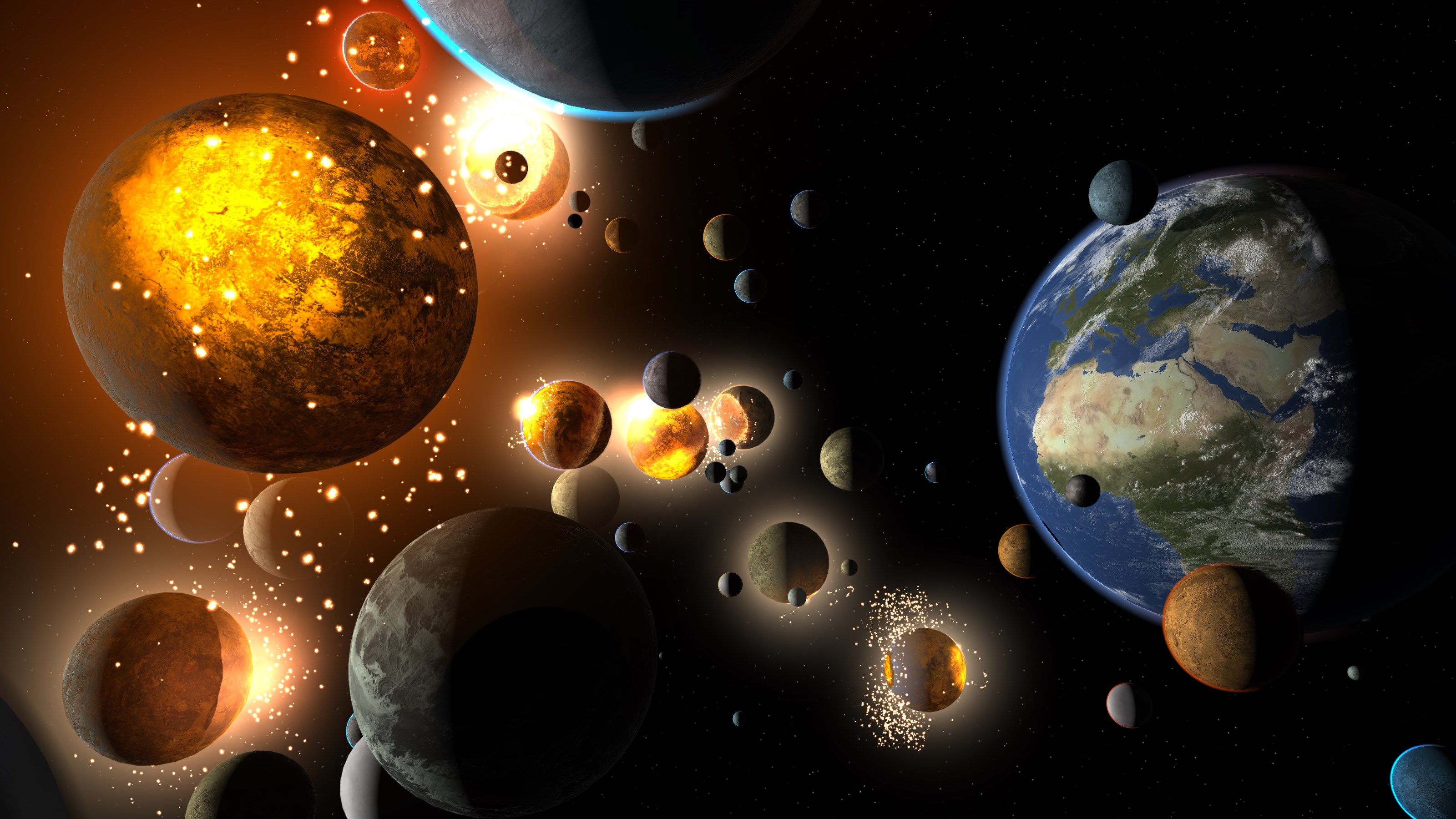
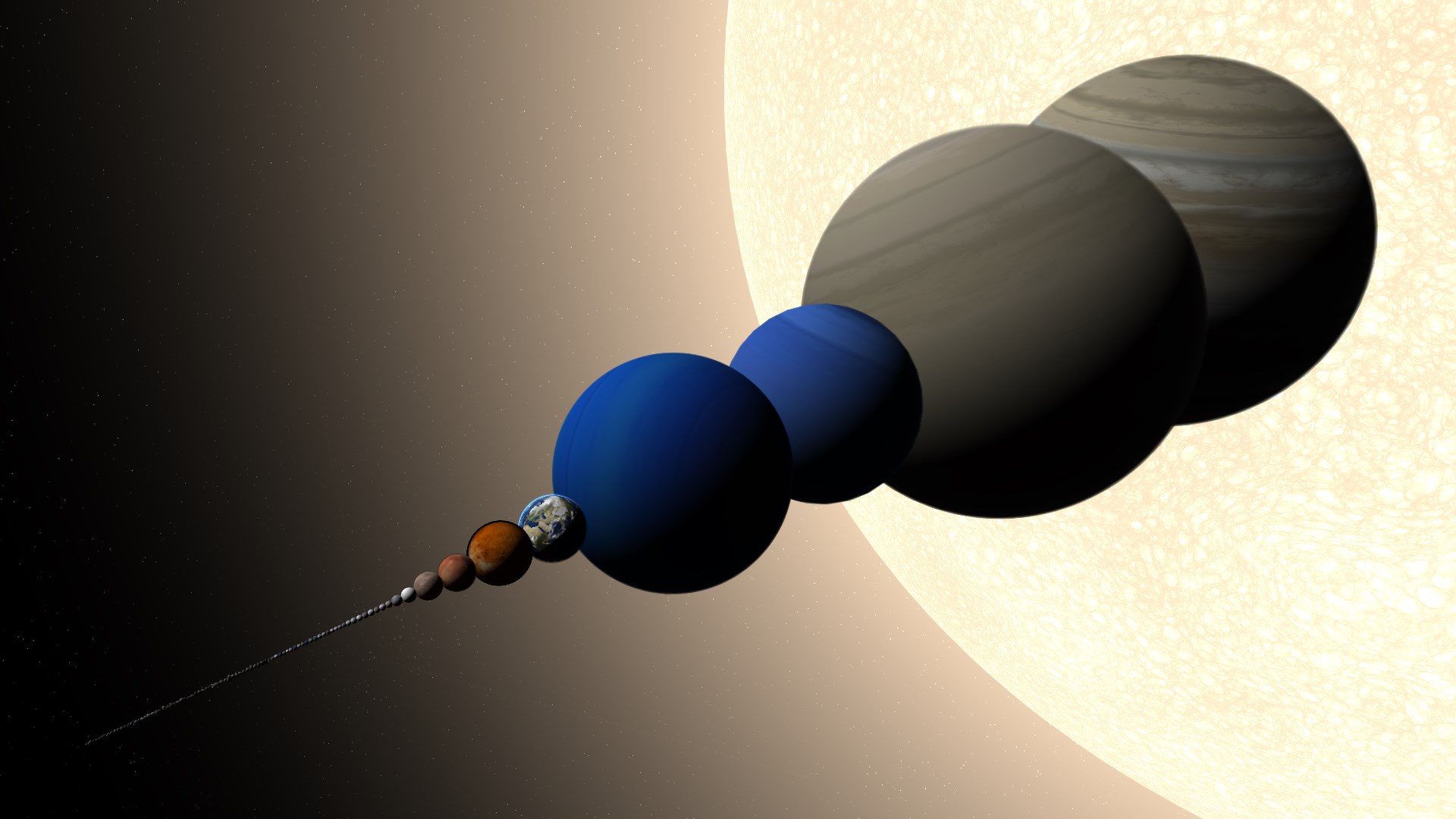
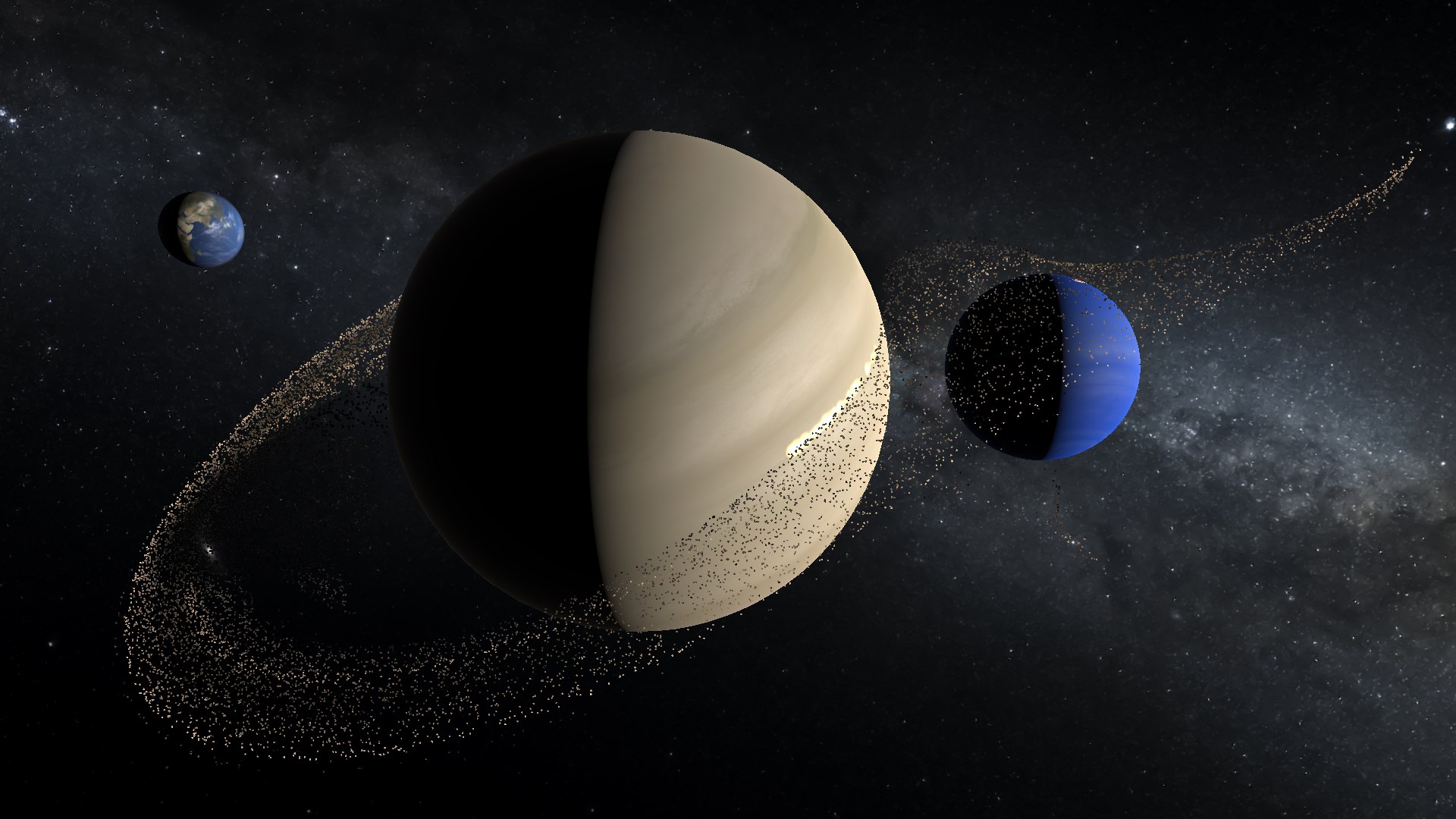
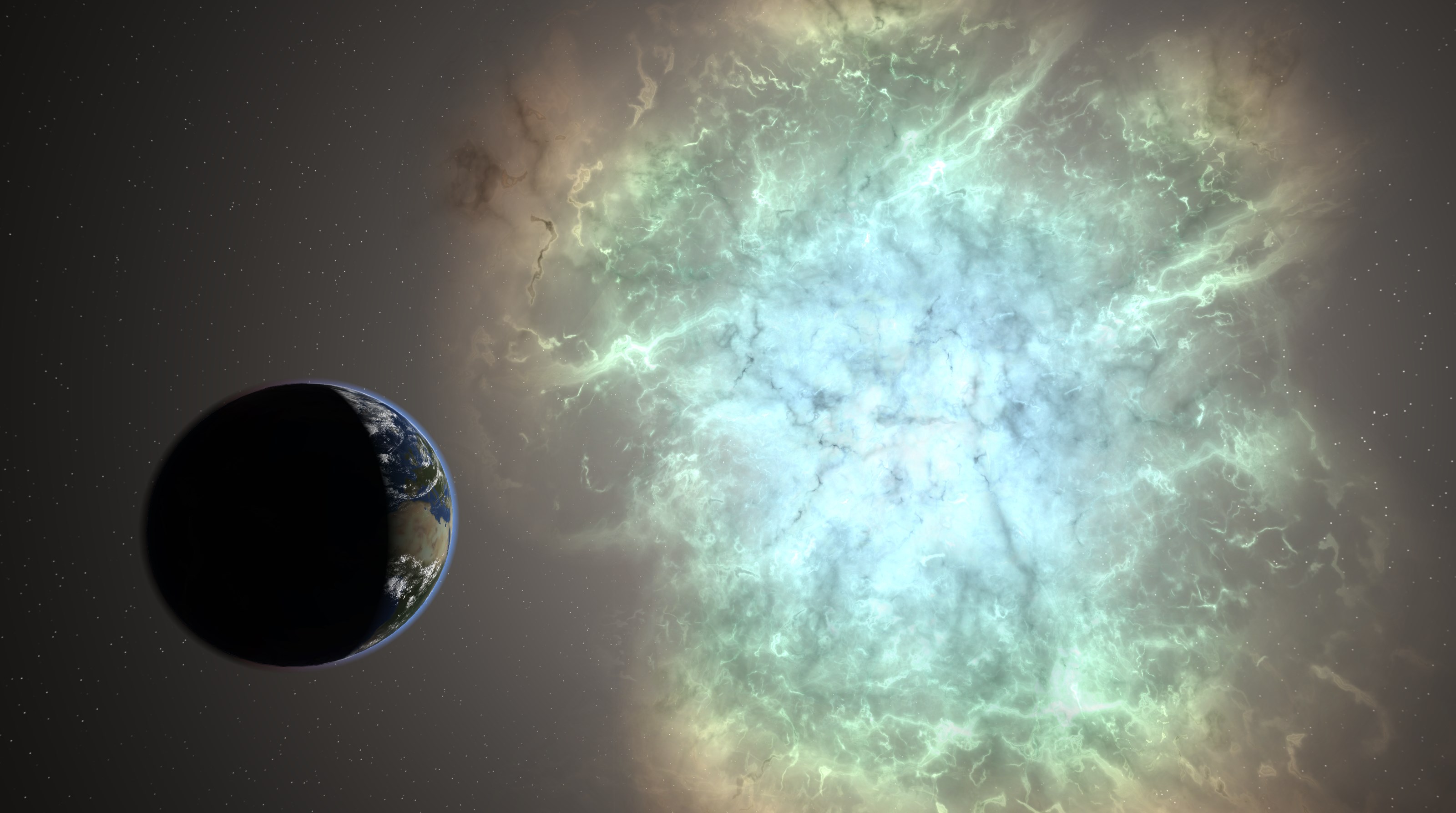
Stepping into Universe Sandbox feels like opening a cosmic sandbox where the universe is your playground. The sight of planets swirling in their orbits or moons colliding with asteroids is as mesmerizing as watching a waltz of celestial elegance. This app feels like a digital astronomer's toolkit—a place where you're not just observing space but playing an active role in shaping it. Whether you're creating your own star system or watching a planetary explosion, the experience sparks curiosity and awe in equal measure.
Core Functionality 1: Physics-Driven Celestial Manipulation
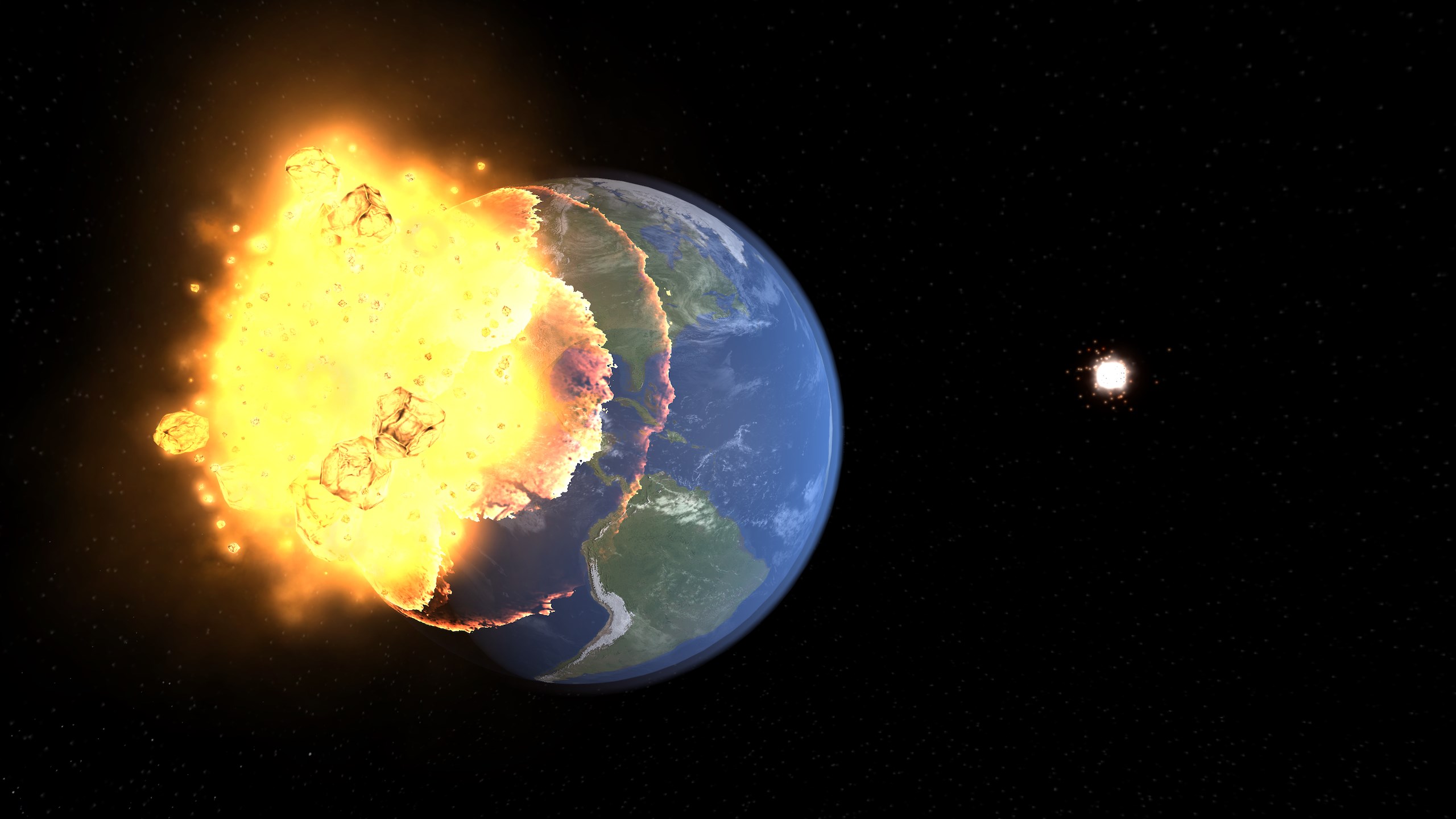
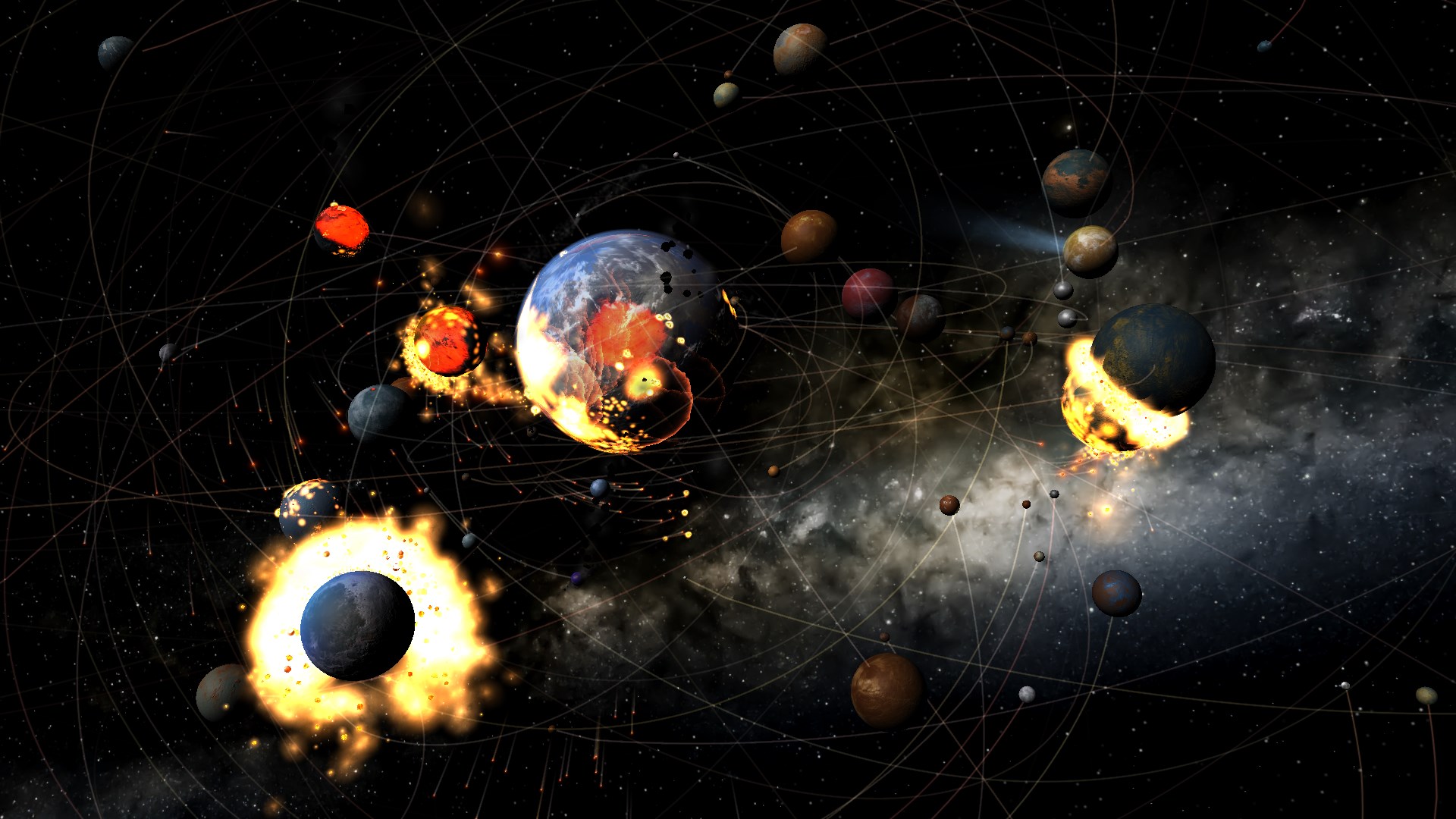
The core appeal lies in its realistic physics engine that faithfully simulates gravity, orbital mechanics, and planetary interactions. Users can spawn planets, stars, or even black holes, then observe how these bodies influence each other over time. For example, you can witness a rogue asteroid crashing into a planet and see the subsequent formation of impact craters—learning about planetary geology firsthand. The app's physics calculations are robust enough to provide accurate representations, making it not only entertaining but educationally valuable.
Core Functionality 2: Dynamic Cosmic Events
Beyond simple observations, Universe Sandbox allows users to create and control complex events—supernovae, planetary collisions, or orbital shifts. These features turn passive observation into active experimentation. Imagine orchestrating a collision between two planets and watching the chaos unfold, then analyzing the aftermath. Such dynamic capabilities foster a deeper understanding of astrophysical processes and concepts like energy transfer and gravitational forces in a way traditional classroom tools struggle to replicate.
User Experience: An Intuitive and Engaging Interface
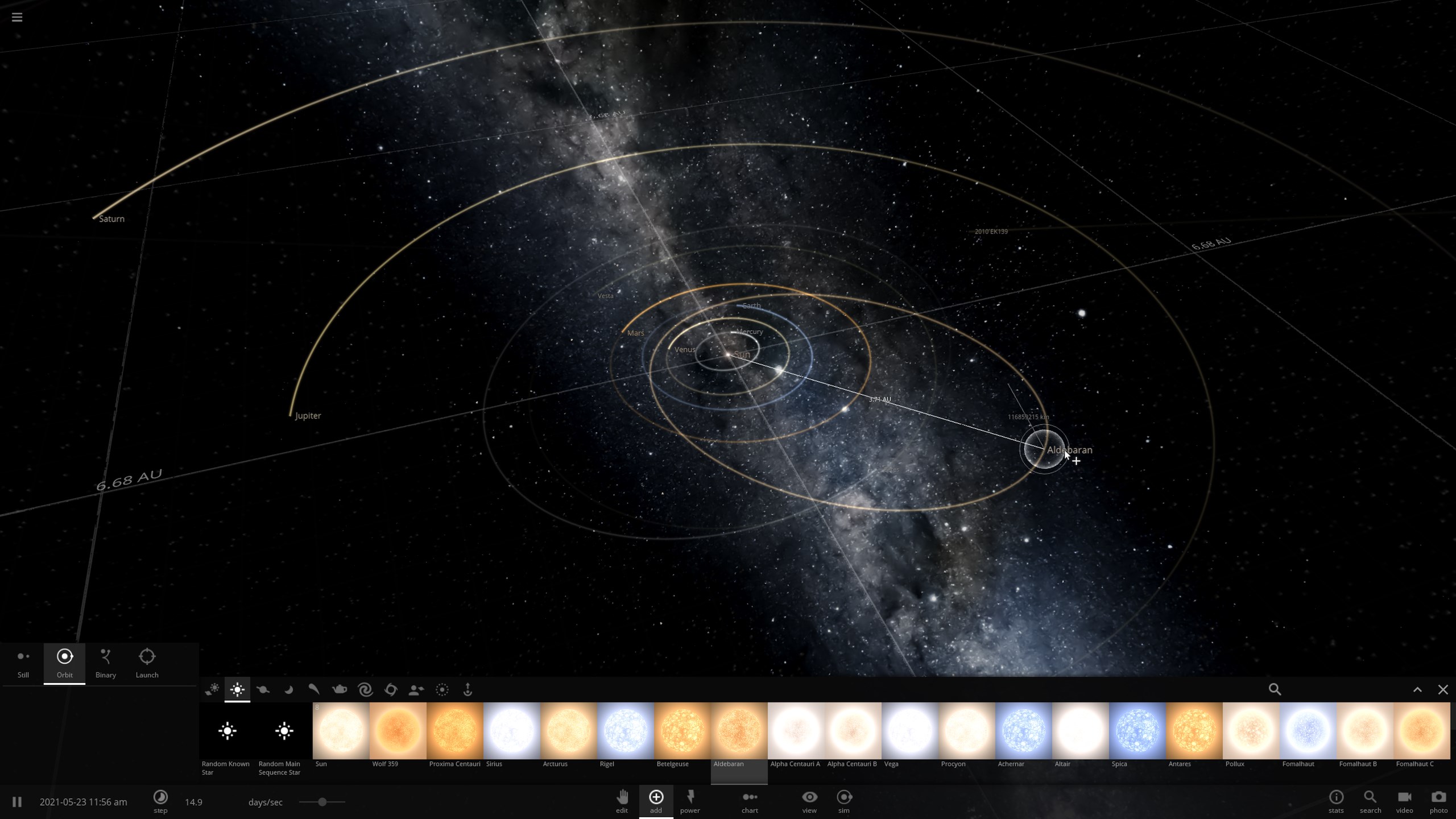
The interface design is clean yet intuitive, resembling a sleek digital universe map. Navigation is seamless, with controls akin to manipulating a three-dimensional model—dragging, zooming, and rotating becomes second nature. The app runs smoothly on modern PCs, ensuring that even complex simulations don't cause lag or frustration. The learning curve, while present—owing to the complexity of astrophysics—is softened by helpful tutorials and a user-friendly layout, making it accessible to newcomers without sacrificing depth for seasoned users.
A Unique Edge: Combining Education with Engagement
Unlike many educational apps that focus solely on rote learning or static content, Universe Sandbox strikes a delicate balance between factual accuracy and engaging interactivity. Its ability to measure learning retention—through visual cause-and-effect demonstrations—sets it apart. Users aren't just passive recipients of information; they are active creators and explorers. This blend enhances learning objectives by fostering curiosity-driven discovery, making complex concepts such as gravity and planetary dynamics more tangible and memorable.
Final Thoughts: Is Universe Sandbox for You?
Overall, Universe Sandbox emerges as a standout tool for those eager to explore the cosmos beyond textbooks. Its most remarkable features—the realistic physics engine and the capacity to simulate cosmic events—offer both educational value and immersive entertainment. I recommend it to educators looking to bring space science to life, students seeking a dynamic learning aid, or space buffs who want a playful yet authentic universe simulator.
For optimal experience, ensure your PC meets the recommended specs and take some time to explore the tutorials. This app isn't just a simulator; it's a gateway to understanding our universe's grand ballet. Dive in, experiment, and enjoy the profound beauty of space firsthand.
Pros
- Realistic planetary simulation
- Intuitive and engaging interface
- Rich content and scenarios
- Dynamic visual effects
- Flexible customization options
Cons
- High system requirements
- Occasional lag during complex simulations
- Learning curve for advanced features
- Limited multiplayer features
- Potential for overwhelming data for new users