Wireless Reverse Charging: Revolutionizing Mobile Power Sharing
In today’s fast-paced world, staying connected is more important than ever. Imagine a technology that transforms your smartphone into a portable power bank, allowing you to wirelessly share energy with other compatible devices. That’s precisely what Wireless Reverse Charging offers—a game-changing feature that enhances your mobile experience by enabling effortless power sharing on the go.
What is Wireless Reverse Charging?
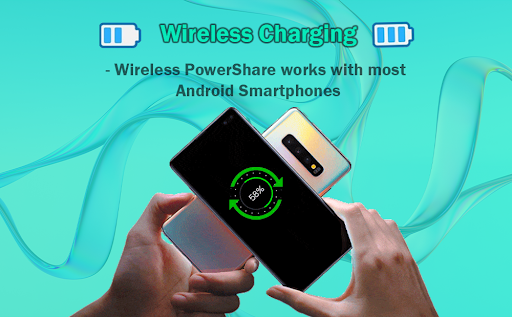
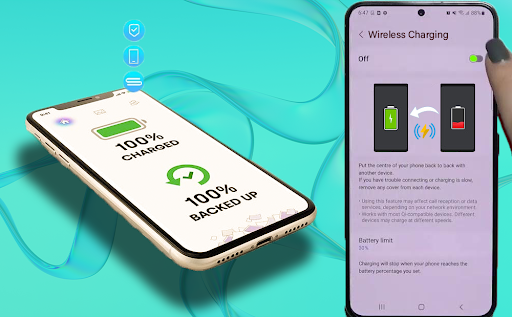
Wireless Reverse Charging is a innovative feature in modern smartphones that allows one device to wirelessly transfer power to another. Think of it as turning your smartphone into a mini power bank—capable of fueling up other devices like earbuds, smartwatches, or even a friend's phone in a pinch. This functionality is especially handy when you find yourself in a situation without access to a traditional charger, making it an invaluable addition to your device’s capabilities.
How Does Wireless Reverse Charging Work?
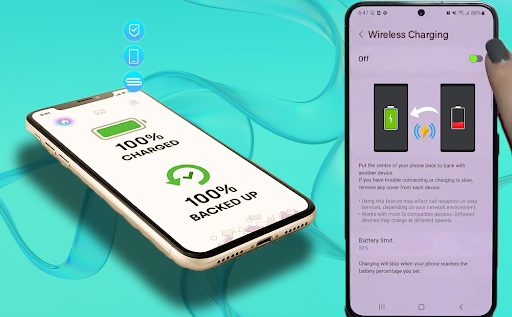
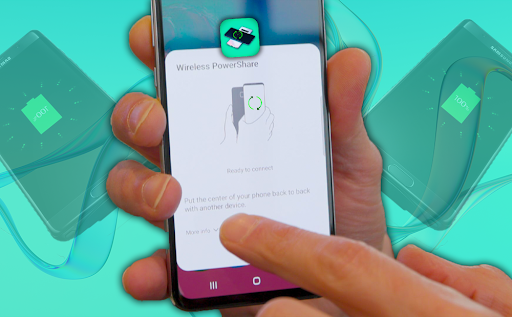
The technology behind Wireless Reverse Charging is rooted in induction charging principles, similar to those used in standard wireless chargers. Most recent smartphones come equipped with this feature; you simply need to enable it in your device settings. Once activated, place the phone you want to charge on the back of the powered device, and the magic of electromagnetic induction begins. The transfer of power is seamless, efficient, and requires minimal effort—just a gentle placement and a tap to turn on the feature.
Real-World Applications of Wireless Reverse Charging
You might be thinking, “When would I ever use this?” but in our increasingly interconnected lifestyles, Wireless Reverse Charging can be a real lifesaver. Whether you’re out camping in nature, attending back-to-back meetings, or simply too busy to find a charging outlet, this feature provides an extra layer of convenience. Imagine being able to lend some of your device’s battery to a friend in need or keep your wireless earbuds, smartwatch, or fitness tracker powered up throughout a busy day. It’s like having a backup plan for your backup plan—making sure your essential gadgets stay operational when you need them most.
Is Wireless Reverse Charging Worth It?
Deciding whether Wireless Reverse Charging is a worthwhile investment depends on your lifestyle. As an avid user of this feature, I can confidently say it’s highly practical and can be a real saver in emergencies. While it might not replace traditional wired charging due to differences in speed and efficiency, it serves as a remarkable supplementary tool. Charging via this method may take longer compared to plugging in, but for quick energy boosts or on-the-fly sharing, it’s undeniably useful. Plus, as technology advances, we can expect even better performance and broader compatibility.
Features of Wireless Charging Apps
To enhance the experience, many Wireless Charging apps are available that help users check their phone’s compatibility with wireless charging features. These apps often include tools like the Wireless Charging Checker, enabling you to verify if your device supports reverse wireless charging or other related functionalities. With ongoing updates, more features are anticipated, providing users with improved control and insight into their device’s wireless power capabilities.
Conclusion
Wireless Reverse Charging exemplifies how modern technology continues to evolve towards greater convenience and utility. It transforms your smartphone into a multi-purpose device capable of sharing power effortlessly, offering a practical solution for unforeseen power needs. Whether you’re outdoors, traveling, or simply in a hurry, this feature can make a significant difference, ensuring your gadgets—and your day—stay connected. When upgrading your next phone, consider choosing a model that supports Wireless Reverse Charging. It’s a smart investment that can save you time, trouble, and battery life in countless situations.
Pros
- Convenient for charging devices while on the move
- No need for cables and adapters
- Compatible with various device types
- Simple to operate with an easy setup
- Energy-saving technology
Cons
- Limited charging speed
- Not suitable for all devices
- May quickly deplete the main device's battery
- Needs to be in close proximity for effective charging
- Risk of overheating during extended use