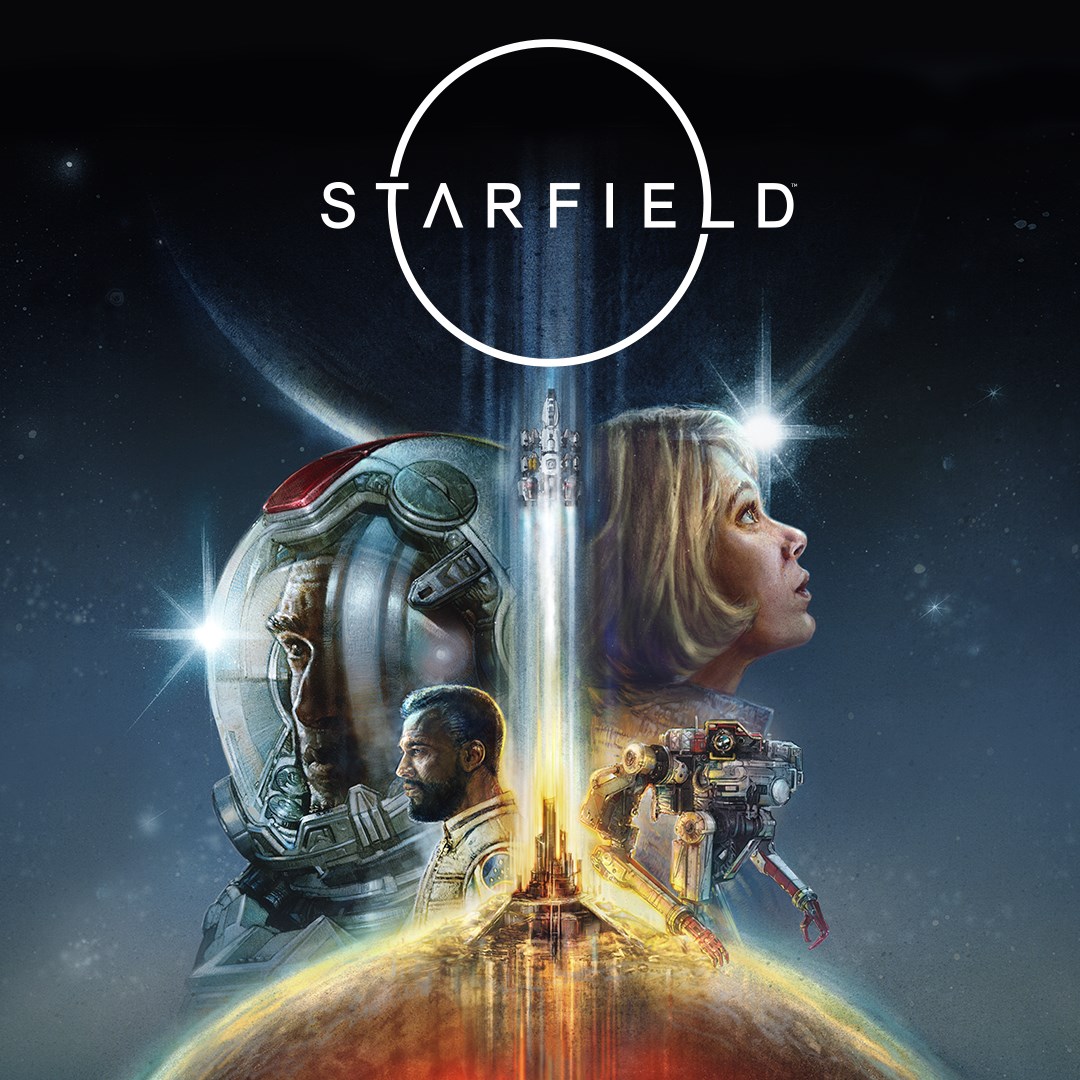
- Name Starfield
- Category Role playing
Embarking on a Cosmic Adventure: An Overview of Starfield for Windows
Starfield, developed by Bethesda Softworks, positions itself as an expansive space RPG that invites players to explore the mysteries of the cosmos. From the moment you launch the game, it beckons with the promise of limitless planetary exploration, deep storytelling, and immersive role-playing elements.
Crafting an Interstellar Journey
Developed by Bethesda Softworks—renowned for their flagship titles like Skyrim and Fallout—Starfield brings the studio's expertise into the sci-fi genre. The game boasts several standout features: an extensive open universe filled with procedurally generated planets, complex character customization and progression systems, and a rich narrative driven by player choices. Designed for fans of space exploration and role-playing games, its target audience includes gamers who enjoy detailed world-building, strategic decision-making, and immersive storytelling.
Introduction to the Galaxy: A Promising Launch into Space
Imagine stepping into a spaceship, cruising through star-studded darkness, as planets and moons hover on the horizon—this is the essence of what Starfield promises. It's a game that aims to be your personal interstellar odyssey, blending the thrill of discovery with the depth of a narrative-rich RPG. Whether you're a seasoned space enthusiast or a curious newcomer, the game's expansive universe is designed to be both overwhelming and inviting, offering endless opportunities to chart your own course among the stars.
Exploration and Planetary Dynamics
The core of Starfield's appeal lies in its planetary exploration system. Unlike many space games limited to mere flybys, Starfield emphasizes landing on diverse planets and engaging directly with their environments. Each planet features unique landscapes, ecosystems, and hidden secrets. Procedural generation ensures that no two planets are identical, enriching the discovery experience. This system is akin to being an intergalactic archaeologist, uncovering mysteries buried in alien terrains. The game's integration of atmospheric conditions and resource management adds a layer of authenticity and strategic depth, compelling players to plan their expeditions wisely.
Character Progression and Narrative Choice
One of Starfield's most compelling aspects is its character progression system, which offers a finely-tuned balance between skill development and story influence. As players grow their characters, they unlock new abilities—think of it as evolving your own space-faring persona, tailored to your preferred playstyle, whether combat, exploration, or diplomacy. These choices extend beyond mere stats; they influence how the narrative unfolds. Player decisions have tangible consequences in the storyline, shaping faction alliances and story outcomes. This depth of consequence elevates the game beyond traditional RPGs, offering a sense of agency that is both satisfying and thought-provoking—like writing your own interstellar saga where every choice rewrites the universe's fate.
User Experience: Seamless, Immersive, and Intuitive
Visually, Starfield captivates with its detailed environments and sleek interfaces, making planet hopping feel like navigating a living, breathing universe. The controls are intuitive, with a learning curve that, while initially steep, quickly becomes second nature thanks to helpful tutorials and clear design. Loading times are reasonable, and the game's performance remains stable across a wide range of systems, thanks to Bethesda's optimization efforts. The user interface strikes a careful balance—providing rich information without overwhelming players, thus maintaining immersion even during complex exploration or combat scenarios. Overall, the experience feels smooth and rewarding, inviting players to lose themselves in deep space without frustration.
Unique Selling Points: Deep Narrative & Player Agency
What sets Starfield apart from other RPGs is its impressive depth of narrative and the importance placed on player agency. The game's character progression isn't just about leveling up but involves meaningful decisions affecting story arcs. Unlike many titles where choices feel superficial, Starfield's consequences are palpable—shaping relationships, factions, and the universe's political landscape. This layered storytelling provides a richness akin to weaving a personal space epic, making each playthrough uniquely your own. Furthermore, its seamless blend of exploration, crafting, and story-driven gameplay creates a holistic experience that feels both vast and intimate—like charting a new star system where every decision resonates.
Final Thoughts: A Solid Choice for Aspiring Space Explorers
Overall, I recommend Starfield for players who seek a thoughtfully crafted space RPG that offers a rich universe, meaningful choices, and immersive exploration. Its standout features—particularly the dynamic planetary systems and consequence-driven narrative—make it a compelling addition to the genre. While it demands patience during initial learning phases, the payoff is a rewarding journey through the cosmos that encourages curiosity and strategic thinking. Whether you're a seasoned space veteran or a curious adventurer, Starfield promises a voyage worth embarking on, so prepare your spaceship—you're about to explore the stars in style.
Pros
- Smooth Game Launch
- Rich Visual Graphics
- Extensive Content and Missions
- Strong Storyline and Worldbuilding
- Optimized Performance on High-End PCs
Cons
- Initial Download Size is Large
- UI Navigation Can Be Clunky
- Minor Graphics Glitches Reported
- Limited Customization Options at Launch
- Loading Times Vary by Hardware