
PlantNet Plant Identification: Discover the Power of Nature in Your Pocket
Have you ever been out for a hike, wandering through a lush forest, a bustling garden, or even casually strolling down your city sidewalk, and wondered: what is that plant? Thanks to the innovative PlantNet Plant Identification app, you can now have a botanist at your fingertips. This user-friendly mobile application transforms your smartphone into a powerful tool for identifying plants, broadening your understanding of flora everywhere you go. Whether you're a casual nature lover, a student, or a professional botanist, PlantNet offers an engaging way to connect with the natural world.
How Does PlantNet Work?
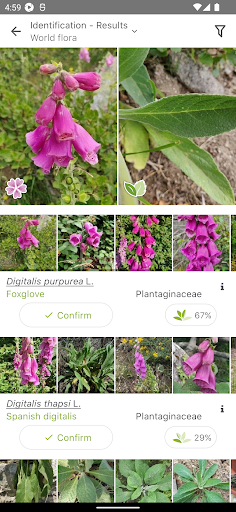
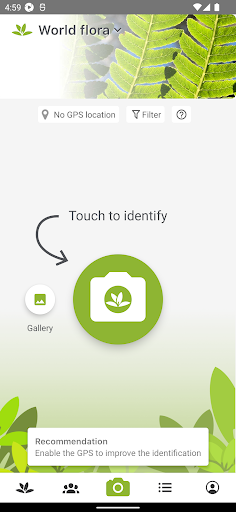
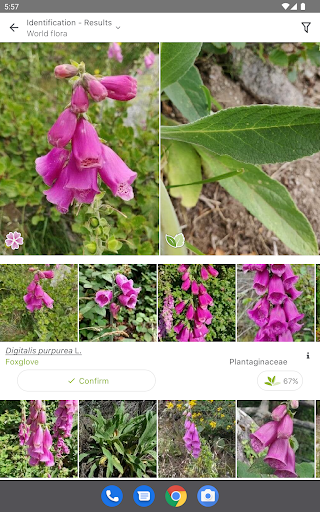
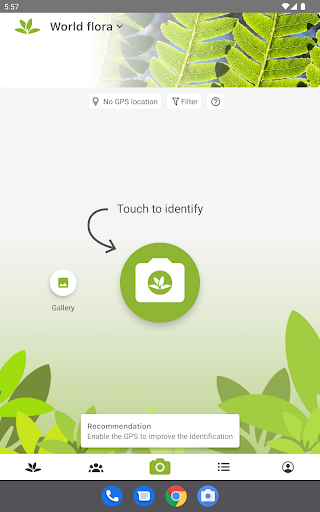
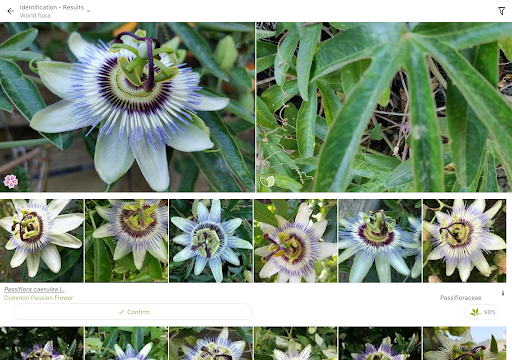
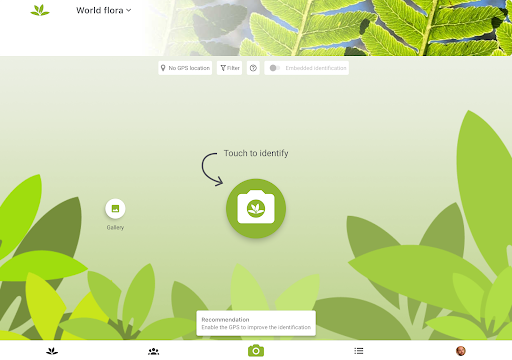
Using PlantNet is incredibly simple and intuitive. To identify a plant, just snap a clear photo of its key features—be it a leaf, flower, fruit, or bark. The app then analyzes your image using an extensive database and provides a list of possible matches. In numerous tests during outdoor excursions, users find the app to be impressively accurate, making plant identification accessible even for beginners. The interface is designed for quick, easy use, ensuring you spend more time appreciating nature and less time navigating complicated menus.
The Technology Behind the App
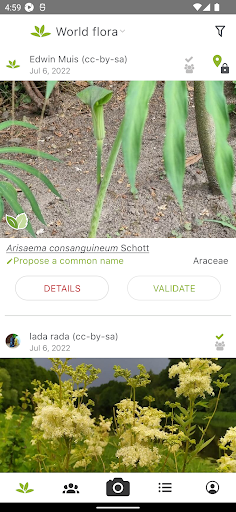
What truly sets PlantNet apart is its collaborative database, which is constantly evolving thanks to contributions from both scientists and everyday users. Every plant identification you perform not only helps you learn about that specific species but also contributes to improving the app's overall accuracy. This crowdsourced approach makes PlantNet a powerful tool for citizen science, allowing users to participate in biodiversity monitoring globally. The app's database contains approximately 20,000 recognized species—covering flowering plants, trees, grasses, conifers, ferns, vines, and even cultivated plants in gardens—making it a comprehensive resource for plant enthusiasts.
Key Features and Enhancements
The latest version of PlantNet, released in January 2019, introduces several valuable features:
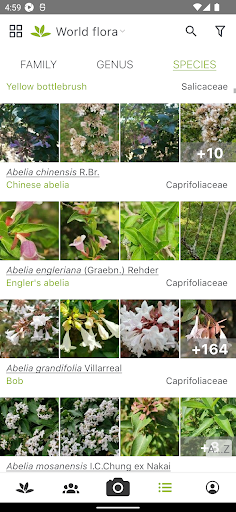
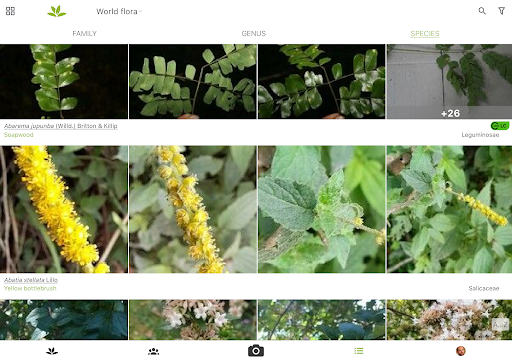
- Filter Recognized Species: Narrow down results by genus or family for more precise identification.
- Community Skill Weighting: The app considers the quality of user contributions, giving more weight to knowledgeable identifiers.
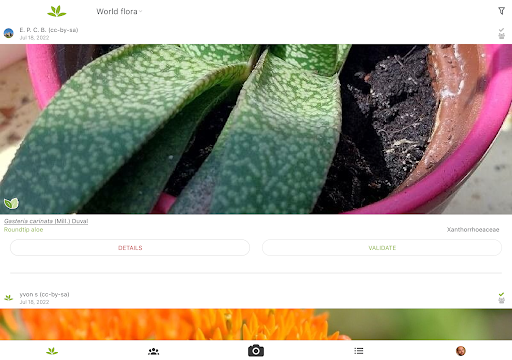
- Re-Identification: Easily update or revise existing identifications with shared observations.
- Multi-Flora Search: Search across all flora groups, useful when you're uncertain about which plant category your specimen belongs to.
- Favorite Flora: Save your preferred plant groups for quick access.
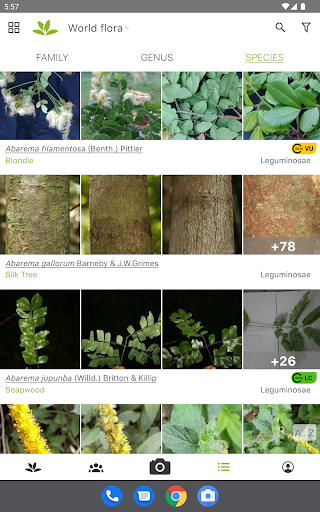
- Taxonomic Navigation: Browse image galleries organized by taxonomic levels for detailed exploration.
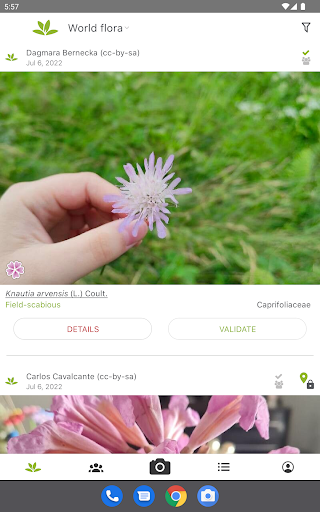
- Observation Mapping: Visualize your plant sightings geographically.
- Fact Sheets: Access detailed information about various species directly within the app.
Why Use PlantNet? Benefits for Nature Enthusiasts and Citizen Scientists
PlantNet isn't just an identification tool—it's a gateway to understanding and preserving biodiversity. The app excels in helping users inventory wild plants they encounter in nature, on city streets, or even in their own gardens. Its database allows for detailed recognition of flowering plants, trees, grasses, and other flora, revealing details that often distinguish one species from another—like flower structure, fruit, leaves, thorns, or stem hairs. These observations contribute valuable data to scientific research, helping monitor plant diversity and inform conservation efforts.
Dedicated to Education and Conservation
Beyond identification, PlantNet fosters educational enrichment. When you photograph and identify different plants, you're indulging in a form of citizen science—contributing to the global understanding of plant biodiversity. The more detailed your observations, the more accurate and useful they become for scientific analysis. This collaborative effort helps researchers track plant distribution, analyze ecological changes, and develop strategies for environmental preservation. As a user, your contributions help expand the database, support biodiversity studies, and preserve natural heritage.
Conclusion: Turn Your Smartphone into a Botanical Expert
Whether you're exploring nature, enhancing your botanical knowledge, or contributing to vital scientific research, PlantNet Plant Identification is the perfect companion. Its combination of advanced image recognition, community-driven data, and rich informational resources makes it an indispensable tool for anyone passionate about plants. Download the app today, start photographing the flora around you, and become a part of the global movement to understand and protect our planet's botanical diversity.
Pros
- Accurate plant identification
- Easy-to-use interface
- Extensive plant database
- Works offline
- Free with no advertisements
Cons
- Requires high-quality images
- Limited to plant recognition functionality
- Lacks social sharing options
- Sometimes makes incorrect identifications
- Does not provide plant care guidance